Little Terns have been a feature of the Spurn area for well over a century, breeding at various locations along the ever-changing coastline between Spurn Point and Easington. Their story reflects the dynamic nature of the Holderness coast, where colonies have shifted in response to erosion, habitat change, weather events and human activity. This page explores the history of Little Terns in the Spurn area, drawing on research originally compiled by Geoff Neal in the late 1990s and updated with more recent conservation developments. It follows the fortunes of one of Yorkshire's most charismatic seabirds, from the earliest breeding records through to the modern conservation efforts that continue today.
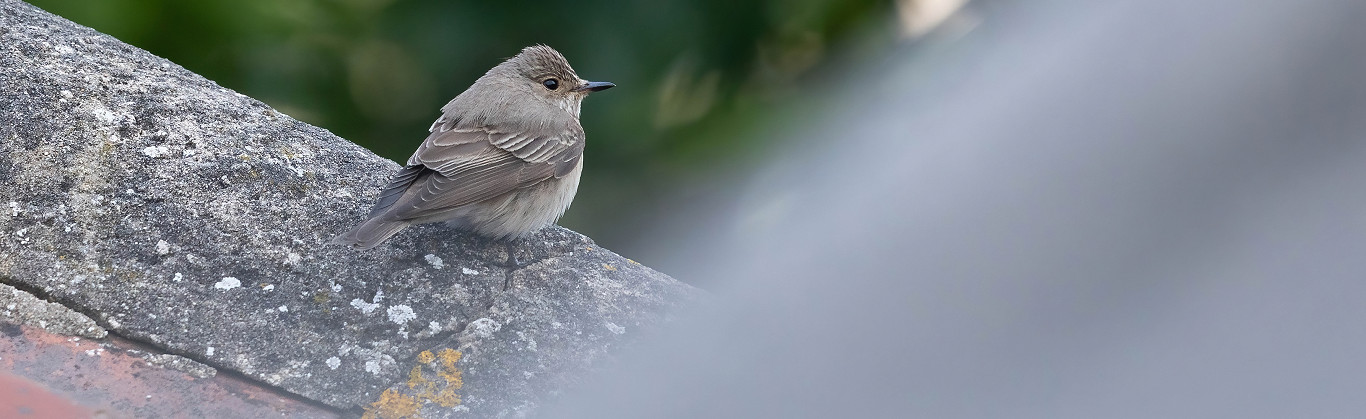

Little Terns have been breeding along the Holderness coast for well over 150 years. Historical accounts suggest that colonies existed south of Kilnsea from "times ornithologically immemorial", with one of the earliest documented visits taking place in 1861 when between 40 and 50 pairs were recorded near Spurn Point.
By the late nineteenth century, concerns were already being raised about the future of the colony. Egg collecting, disturbance from visitors and coastal change placed increasing pressure on breeding birds, leading to calls for greater protection. In 1895, one of Yorkshire's earliest bird protection orders was introduced to safeguard Little Tern nesting areas around Spurn and Kilnsea.
Despite continued challenges, the colony persisted. Early conservation efforts, including the appointment of wardens and legal protection for nests and eggs, helped ensure that Little Terns remained part of the Spurn area's wildlife heritage.
The history of Little Terns in the Spurn area is closely linked to the ever-changing nature of the Holderness coast. Unlike many breeding sites, the landscape around Spurn, Kilnsea and Easington has never remained static. Storms, coastal erosion, shifting dunes, flooding and the movement of shingle banks have continually altered the habitat available to nesting birds.
Throughout the twentieth century, Little Terns adapted by moving between different nesting areas. Colonies were recorded at Spurn Point, Kilnsea Beacon and later Easington Lagoon, with birds often selecting newly created areas of open sand and shingle. Severe weather events could have dramatic consequences, washing away nests, burying breeding areas beneath sand or rendering traditional nesting sites unsuitable.
These natural changes remain an important part of the Little Tern story today. Conservation efforts at Beacon Lagoons recognise that successful breeding depends not only on protecting the birds themselves, but also on maintaining the dynamic coastal habitats on which they rely. By understanding how the landscape has evolved over time, we can help ensure suitable nesting conditions continue to be available for future generations.
Throughout the twentieth century, Little Terns continued to breed at several locations across the Spurn area, with colonies recorded at Spurn Point, Kilnsea Beacon and later Easington Lagoon. As the coastline evolved, nesting sites shifted in response to changing habitat conditions, with birds regularly exploiting newly created areas of open sand, shingle and sparsely vegetated ground.
In some years, more than 100 nests were recorded across the wider area, demonstrating the importance of the Holderness coast for this small seabird. Historical accounts describe colonies divided between Spurn and Kilnsea, with nesting birds making use of beaches, dune slacks and exposed areas around the Beacon.
While colony locations changed over time, Little Terns remained a familiar part of the Spurn landscape. Their ability to adapt to shifting coastal conditions helped ensure their continued presence, even as traditional nesting areas were altered by erosion, flooding and habitat change.
Despite their long history in the Spurn area, Little Terns have faced many threats. During the nineteenth century, egg collecting was widespread and was considered one of the greatest dangers to the colony. Contemporary accounts describe nests being regularly plundered, prompting some of the earliest bird protection measures introduced in Yorkshire.
Natural challenges have also played a major role. High tides, storm surges and shifting sands have repeatedly destroyed nests and breeding habitat. In some years entire colonies were lost when nests were flooded or buried, while poor weather could prevent adults from feeding chicks successfully.
Predation has remained an ongoing challenge throughout the colony's history. Foxes, crows, magpies, kestrels and merlins have all contributed to breeding failures at different times. Combined with disturbance from people, vehicles and recreational activities, these pressures have often resulted in dramatic fluctuations in colony size and breeding success.
The vulnerability of Little Terns to both natural and human pressures highlights why active conservation management continues to play such an important role today.
By the late twentieth century, it had become clear that Little Terns could not thrive in the Spurn area without active protection. Although conservation measures had existed in various forms since the 1890s, a more coordinated approach emerged during the 1980s and 1990s as organisations and volunteers worked together to safeguard nesting birds.
Seasonal wardening, public awareness campaigns, protective fencing and nest monitoring all contributed to improved breeding success. The introduction of electric fencing proved particularly effective at reducing fox predation and helped transform the fortunes of the colony.
These measures delivered encouraging results. Following years of uncertainty, the Easington colony grew significantly during the 1990s, with more than 70 breeding pairs recorded in some seasons and productivity improving markedly. Successful years demonstrated that targeted conservation action could overcome many of the pressures facing Little Terns and provide a secure future for the colony.
The protection schemes developed during this period laid the foundations for the conservation work that continues today at Beacon Lagoons.
Today, Beacon Lagoons represents the stronghold for Little Terns in Yorkshire and continues a conservation story that stretches back more than 150 years. The site supports one of the region's most important breeding colonies and provides nesting habitat not only for Little Terns, but also Ringed Plovers, Oystercatchers, Avocets and other coastal wildlife.
Building on generations of protection efforts, the Beacon Lagoons Little Tern Conservation Project brings together Spurn Bird Observatory Trust, the RSPB, Yorkshire Wildlife Trust, Natural England, the Environment Agency, South Holderness Countryside Society and Humber Nature Partnership. Through a combination of seasonal wardening, habitat management, nest monitoring, predator exclusion fencing and public engagement, the partnership works to give these vulnerable beach-nesting birds the best possible chance of success.
In 2026, the project entered a new chapter following support from players of the National Lottery through The National Lottery Heritage Fund. This investment is helping to secure the future of the project, supporting conservation management, public engagement and the continued protection of Little Terns at Beacon Lagoons.
While the challenges faced by Little Terns have changed over time, the commitment to their protection remains as strong as ever. Thanks to the efforts of staff, volunteers, partners and supporters, the story of Little Terns in the Spurn area continues to be written.