The Beacon Lagoons Little Tern Conservation Project works to protect Little Terns and other beach-nesting birds through wardening, habitat management, monitoring and community engagement. Delivered through a partnership of conservation organisations, volunteers and supporters, the project helps safeguard one of Yorkshire's most important coastal breeding sites.
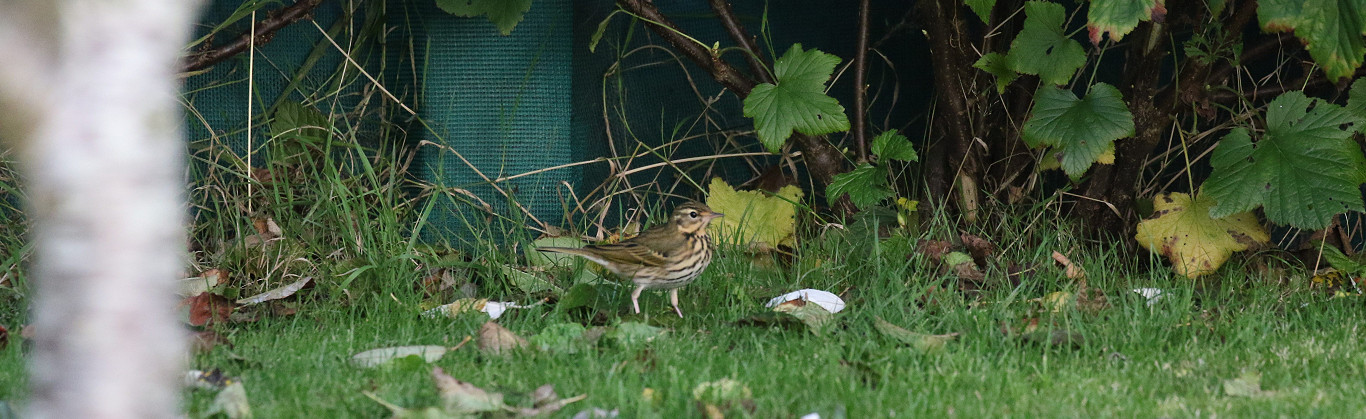

Beacon Lagoons supports Yorkshire's only breeding colony of Little Terns, alongside a range of other beach-nesting birds including Ringed Plovers, Oystercatchers and Avocets.
The Beacon Lagoons Little Tern Conservation Project works to protect these vulnerable species through wardening, monitoring, habitat management and public engagement. By reducing disturbance and improving nesting conditions, the project helps provide a safe environment for birds to breed successfully along the Holderness coast.
The project is delivered through a partnership led by Spurn Bird Observatory Trust, working alongside the RSPB, Yorkshire Wildlife Trust, Natural England, the Environment Agency, South Holderness Countryside Society and Humber Nature Partnership.

The Beacon Lagoons Little Tern Conservation Project is currently supported by players of the National Lottery through The National Lottery Heritage Fund. Their investment is helping to fund seasonal wardening, habitat management, monitoring and public engagement activities, supporting the long-term conservation of Little Terns and other beach-nesting birds at Beacon Lagoons.
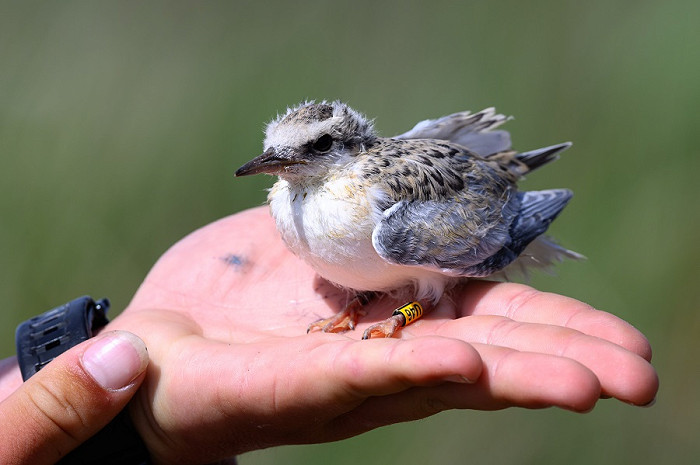
Little Terns are the UK's smallest tern and one of our most threatened seabirds. Each spring they return from wintering grounds in West Africa to breed on beaches and shingle shores around the British coast.
Their nests are simple scrapes on open ground, making eggs and chicks highly vulnerable to disturbance, predation, flooding and extreme weather. Even a single disturbance event can cause breeding birds to abandon nests or leave eggs and chicks exposed.
Conservation management and wardening play a vital role in helping Little Terns breed successfully and ensuring future generations can continue to enjoy these remarkable birds.
Although Little Terns are the focus of the project, conservation work at Beacon Lagoons benefits a wider community of beach-nesting birds.
The UK's smallest tern and the flagship species of the project.
A small wading bird that nests directly on sand and shingle beaches.
One of Britain's most recognisable coastal birds, nesting on open ground close to the shoreline.
An increasingly important breeding species at Beacon Lagoons and one of Britain's most celebrated conservation success stories.
An occasional breeding species that also benefits from suitable nesting habitat and protection measures.
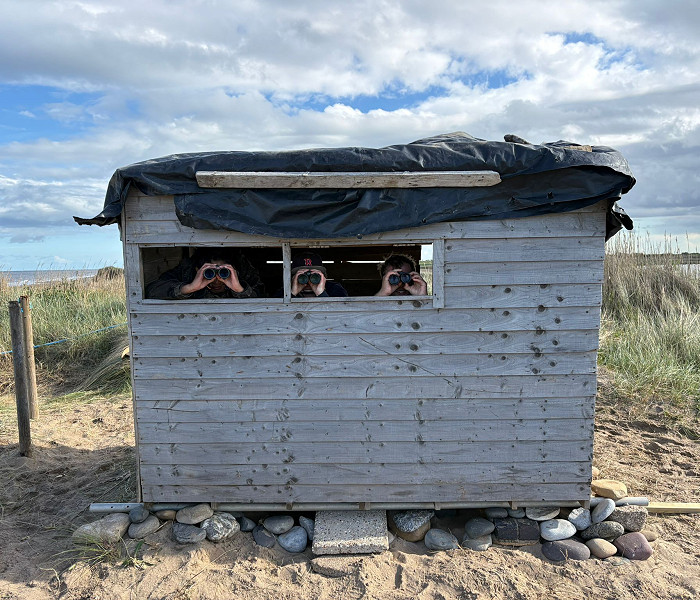
A range of measures are used each year to help protect breeding birds at Beacon Lagoons.
Together, these measures help create the conditions needed for successful breeding and long-term population recovery.
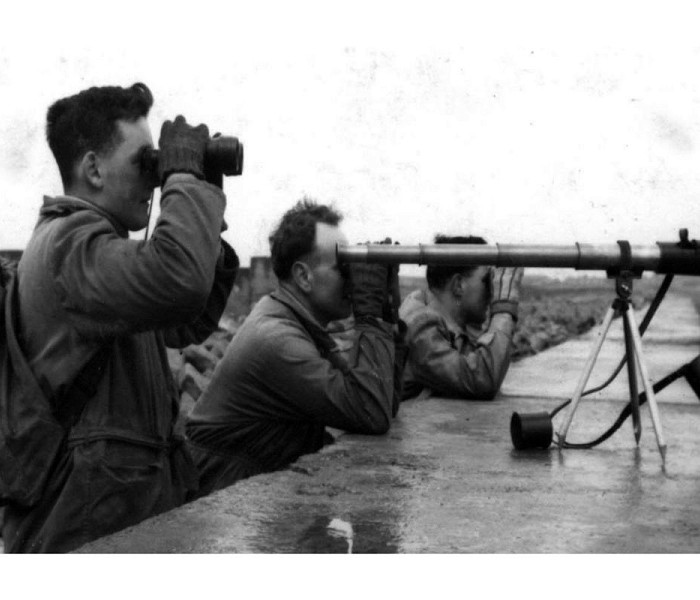
Little Terns have been associated with the Spurn and Kilnsea area for well over a century. Historical records show that breeding birds have used this stretch of coastline for generations, although numbers have fluctuated due to changing habitat, disturbance, predation and weather events.
Today, Beacon Lagoons is home to Yorkshire's only breeding colony of Little Terns, continuing a remarkable conservation story that stretches back through the history of the Holderness coast.
Discover how Little Terns have adapted to a changing coastline and survived more than a century of challenges by exploring our dedicated History page.
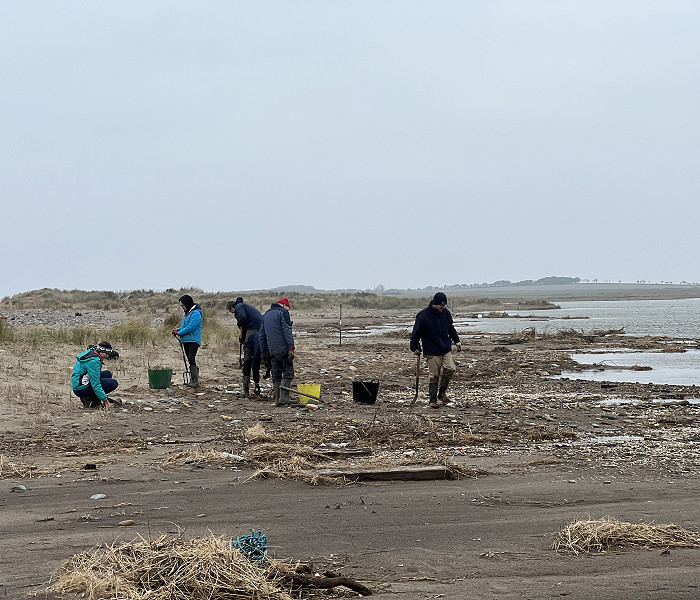
The success of the project depends on the support of volunteers, visitors, partners and donors.
You can help by:
Together we can help ensure that Little Terns and other beach-nesting birds continue to thrive at Beacon Lagoons for years to come.