Follow the progress of the 2026 Little Tern breeding season at Beacon Lagoons. From the arrival of the first birds in spring through to nesting, hatching and fledging, this diary provides a week-by-week record of the colony and the conservation work taking place to protect it.
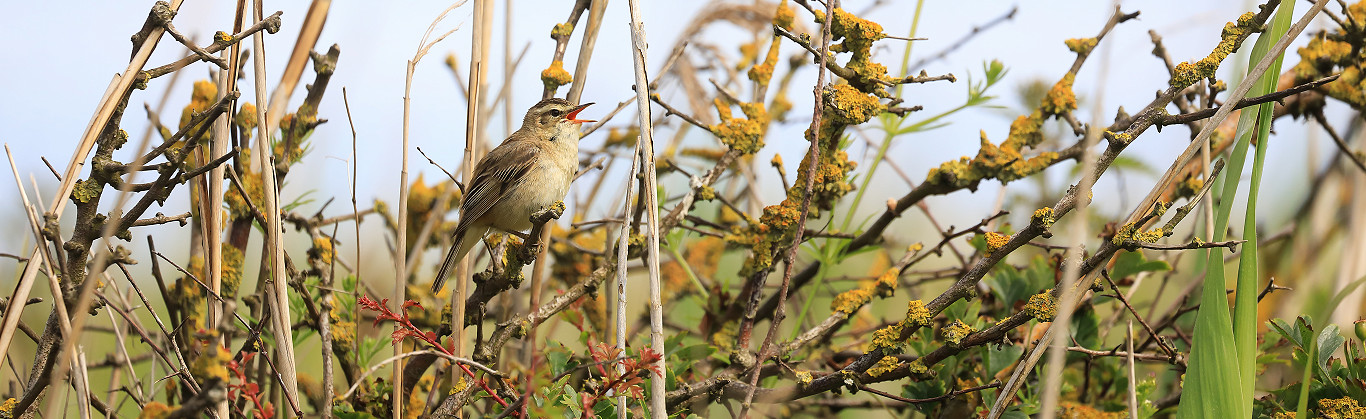

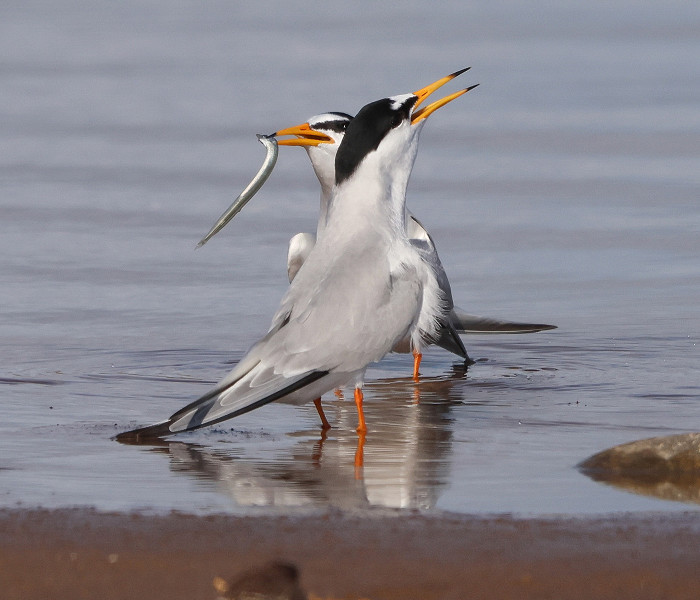
The 2026 Little Tern season is now underway at Beacon Lagoons, with wardening and pre-season preparations taking place across the colony.
Work has begun to prepare the site for the breeding season, including the installation of the electric predator exclusion fence and ongoing habitat management designed to provide suitable nesting conditions for Little Terns and other beach-nesting birds. Volunteers have already played an important role in helping prepare the site ahead of the arrival of more breeding birds.
Little Terns have continued to return to the colony throughout the week, with birds increasingly spending time on site and showing signs of pair formation and courtship behaviour. Numbers are expected to build further over the coming weeks as more birds return from their wintering grounds.
Other species already present at the colony include Ringed Plovers, Oystercatchers and Avocets, all of which are beginning to establish territories and nesting areas for the season ahead.
With favourable weather conditions and encouraging activity across the site, the 2026 breeding season has got off to a positive start.

The breeding season continued to gather momentum this week, with increasing numbers of Little Terns present at Beacon Lagoons and encouraging signs of breeding activity across the colony.
Preparations for the season have progressed well, with the installation of the electric predator exclusion fence nearing completion and infrastructure now in place to support wardening throughout the summer. Volunteers have once again played an important role in helping prepare the site for the months ahead.
Little Tern numbers continued to build during the week, with birds now present throughout much of the day. Courtship displays and nest-site prospecting have been observed regularly, indicating that the breeding season is beginning to get underway. Several colour-ringed birds have also been identified, providing valuable information about the movements and longevity of Little Terns that have used Beacon Lagoons and other colonies around the UK.
Other beach-nesting birds have also shown encouraging activity. Ringed Plovers, Oystercatchers and Avocets continue to establish territories and nesting areas around the site, highlighting the importance of Beacon Lagoons for a range of coastal species.
Despite some unsettled weather during the week, conditions remain favourable and the colony is developing positively as more birds arrive and breeding activity increases.
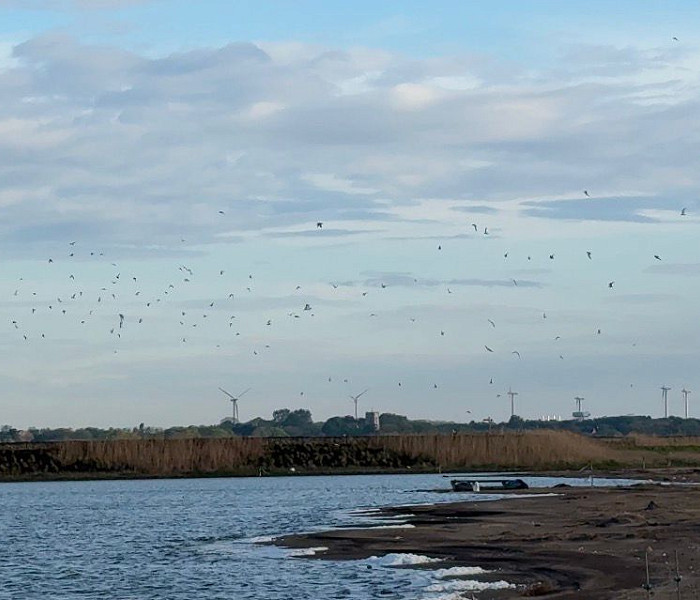
The breeding season continued to gather pace this week, with Little Tern numbers increasing significantly across the colony. A peak count of 143 birds was recorded during the week, with regular courtship displays, pair formation and nest-site prospecting providing encouraging signs for the weeks ahead.
The project team also welcomed an additional seasonal warden, allowing increased monitoring and coverage across the site as activity continues to build. Volunteers have once again played an important role, helping with ongoing preparations and supporting work to ensure the colony is ready for the main breeding season.
Weather conditions remained varied throughout the week, with periods of sunshine, rain and strong winds. Despite some challenging conditions, Little Terns continued to arrive and settle, while colour-ringed birds provided further evidence of the strong connections between Beacon Lagoons and other breeding and wintering sites.
Other beach-nesting birds also remained active around the colony. Ringed Plovers, Oystercatchers and Avocets continued to establish territories and nesting areas, highlighting the importance of Beacon Lagoons for a range of coastal species.
With bird numbers increasing and breeding activity becoming more widespread, the season is continuing to develop positively as the colony moves towards the peak nesting period.
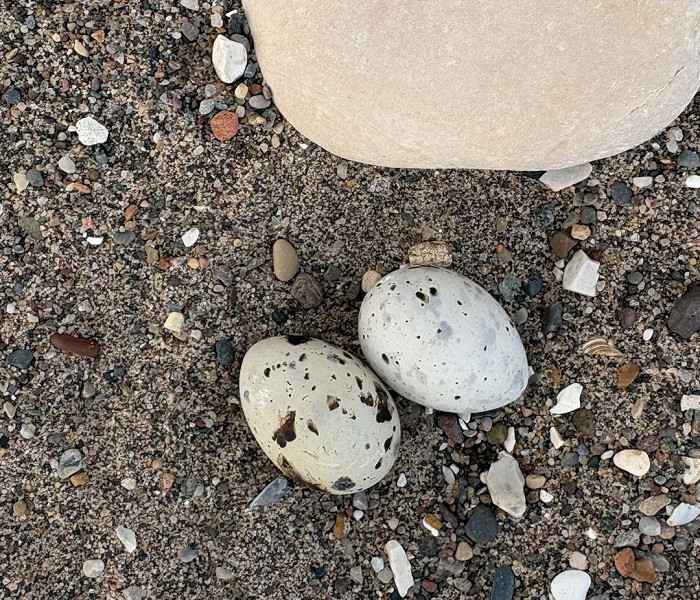
This week marked an important milestone for the 2026 season with the discovery of the first Little Tern nest at Beacon Lagoons. The nest was found on 26 May, around a week earlier than in 2025, providing an encouraging sign as the breeding season continues to develop.
Little Tern numbers remained strong throughout the week, with more than 100 birds regularly present around the colony. Courtship activity continued and increasing numbers of pairs were observed settling and establishing nesting territories.
Work to prepare and protect the colony also continued, with improvements to the fencing and infrastructure now complete and wardening coverage increasing as the breeding season gathers pace. Volunteers once again played a vital role in helping prepare the site and support the project team.
Ringed Plovers, Oystercatchers and Avocets remained active around the colony, with breeding activity continuing across the site. Together, these species highlight the importance of Beacon Lagoons as a breeding area for beach-nesting birds on the Yorkshire coast.
With the first Little Tern nest now confirmed and further nesting activity expected in the coming days, the colony is entering one of the most exciting periods of the season.
The 2026 breeding season continued to gather momentum this week, with nesting activity increasing significantly across the Little Tern colony at Beacon Lagoons.
Little Tern numbers remained strong throughout the period, with around 120 birds regularly present and a peak count of 134 recorded. Following the discovery of the first nest in late May, the number of breeding pairs increased rapidly, with many birds now settled and incubating eggs within the protected colony area.
Favourable weather at the start of the week provided good conditions for breeding activity, although more unsettled conditions arrived later with stronger winds, rain and thunderstorms. Despite this change, the colony continued to develop positively as more birds established territories and nesting sites.
Other beach-nesting birds also enjoyed an encouraging week. Oystercatchers and Ringed Plovers continued to breed around the site, while Avocets showed a notable increase in both numbers and nesting activity. Together, these species underline the importance of Beacon Lagoons as one of Yorkshire's most valuable breeding sites for coastal birds.
With breeding activity now well underway across the colony, attention is turning towards the first chicks of the season, which are expected later in June.
Another busy week at Beacon Lagoons saw Little Tern numbers remain strong, with birds continuing to settle and establish nests across the colony. A peak count of 147 adults was recorded during the week, the highest total of the season so far.
The number of nesting birds continued to increase steadily, with more than 60 Little Tern nests now active within the protected colony area. With the earliest nests expected to hatch in mid-June, anticipation is building as the breeding season enters a critical and exciting stage.
Wardening coverage remained in place throughout the week, with additional staff and volunteers preparing to support round-the-clock protection of the colony as breeding activity intensifies.
Elsewhere around the site, Oystercatchers, Ringed Plovers and Avocets all continued to breed successfully. Avocets were particularly notable, with record numbers present and increasing nesting activity around the lagoons.
Despite a week of mixed weather, including heavy showers, thunderstorms and strong winds, the colony remained active and productive. A spectacular funnel cloud observed over the lagoons provided an unexpected wildlife spectacle for those on site.
With the first Little Tern chicks expected within days, the 2026 season is entering one of its most important phases.
The 2026 season reached another important milestone this week with the introduction of 24-hour wardening at Beacon Lagoons. Additional wardens and volunteers have now joined the project team, allowing around-the-clock protection and monitoring as the breeding season enters its busiest period.
Little Tern numbers remained strong throughout the week, with between 102 and 155 birds present daily. The first full colony walk-through of the season confirmed 70 active Little Tern nests, demonstrating the importance of Beacon Lagoons as Yorkshire's key breeding site for this endangered seabird.
Breeding activity also continued across the wider colony. Ringed Plovers, Oystercatchers and Avocets remained active around the site, with several pairs continuing to nest and raise young. A number of Ringed Plover chicks have also been observed, providing further evidence of the value of the site for beach-nesting birds.
Weather conditions improved as the week progressed, with warmer temperatures and settled conditions helping to support breeding activity across the colony.
With more than 70 Little Tern nests now established and the first chicks expected soon, the project team is looking forward to the next exciting stage of the season.
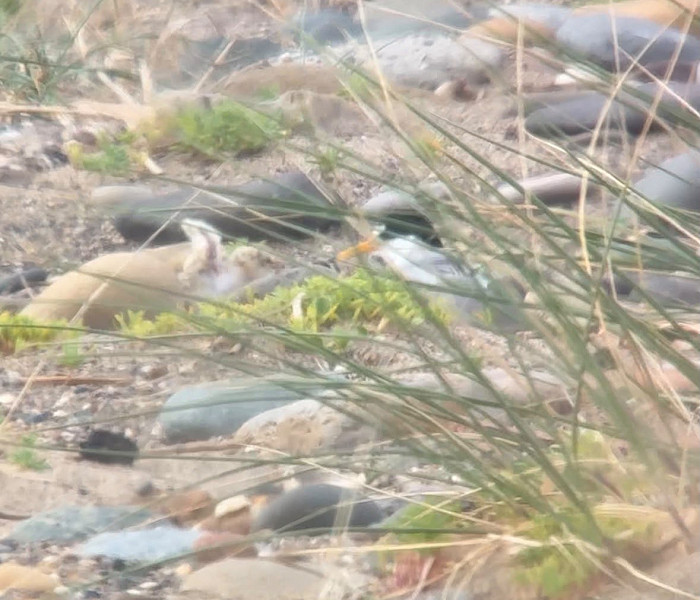
Another major milestone was reached this week as the first Little Tern chicks of the 2026 season hatched at Beacon Lagoons. The first brood emerged on 19 June, marking the beginning of the next exciting stage in the breeding season.
The colony continues to thrive, with adult numbers remaining high throughout the week and more than 100 active Little Tern nests confirmed during monitoring. As additional eggs hatch, the number of chicks is expected to increase rapidly over the coming days.
Twenty-four-hour wardening remains in place to help safeguard the colony during this critical period. Volunteers and wardens continue to monitor breeding activity around the clock while visitors are enjoying the opportunity to watch the birds from the dedicated viewing hide.
Elsewhere around the colony, Ringed Plovers continue to raise chicks, while Oystercatchers and Avocets remain active across the site, highlighting the importance of Beacon Lagoons for a variety of breeding coastal birds.
Visitors may also notice the new information board installed on the beach, helping explain the project and encouraging everyone to enjoy these remarkable birds responsibly.
With the first Little Tern chicks now safely on the ground and more expected to hatch soon, the 2026 season is shaping up to be an exciting one for both the birds and the conservation team.

Following the first chicks hatching last week, the Little Tern colony has continued to flourish, with more than 50 nests now successfully hatching and over 60 active nests still remaining. New chicks are emerging almost daily as the breeding season gathers momentum.
Based on the nesting activity recorded so far this season, we estimate that at least 116 pairs of Little Terns have attempted to breed at Beacon Lagoons in 2026 – a record for the site and a hugely encouraging milestone for the project. The increase reflects the success of years of conservation work, including habitat management, predator protection and around-the-clock wardening, and demonstrates how the colony continues to grow year on year.
Adult numbers reached a peak of 217 birds during the week, likely boosted by birds visiting from other colonies. Twenty-four-hour wardening remains in place to safeguard the colony during this critical stage of the breeding season, with wardens continuing to monitor nesting activity, deter predators and engage with members of the public on the beach. Elsewhere around the colony, Ringed Plovers and Oystercatchers have also enjoyed further breeding success, while Avocets continue to incubate eggs with more chicks expected to hatch in the coming days. Predator pressure has remained low overall, despite the continued presence of foxes and birds of prey, thanks to the constant vigilance of the wardening team.
With more chicks hatching every day, the breeding season continues to gather momentum, with plenty more exciting developments still to come.
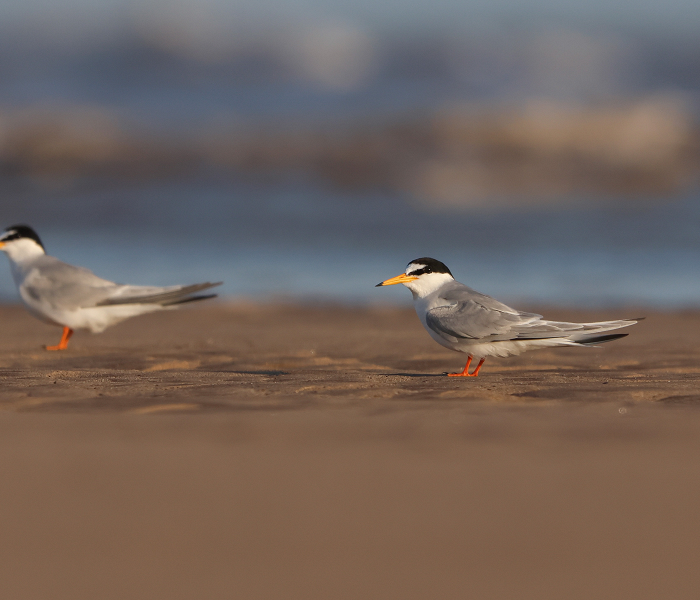
Another exciting milestone has been reached at Beacon Lagoons, with the first Little Tern fledglings of the 2026 season taking to the wing. The first young bird was seen flying on 8 July, just 19 days after the season's first chicks hatched, with a second fledgling joining it the following day.
The breeding season continues to gather momentum, with 72 Little Tern nests now successfully hatched and more than 230 adult birds recorded at the colony during the week – the highest count of the season so far. Although many chicks remain hidden amongst the vegetation or sheltering beneath adults during the hottest parts of the day, the colony continues to show strong signs of success as more young birds edge closer to fledging.
Twenty-four-hour wardening has continued throughout the week, supported by resident and local volunteers. Despite foxes remaining highly active around the colony at night, the dedicated efforts of the wardening team have limited confirmed predation to a single Ringed Plover nest. A mustelid, thought to be either a stoat or a weasel, was also recorded near the colony, with a trail camera deployed to monitor any further activity.
Colour-ring monitoring continues to provide valuable insights into the movements of breeding birds, with several returning individuals confirmed at the colony and two additional colour-ringed Little Terns recorded during the week. A total of 32 colour-ringed birds have now been identified during the 2026 breeding season.
Elsewhere around Beacon Lagoons, Ringed Plovers continue to enjoy another productive season, with up to 19 chicks from as many as 10 broods recorded and the first two young birds successfully fledging. Avocets also welcomed another brood of four chicks during the week, while Oystercatchers have faced a more challenging period, with several chick losses likely caused by territorial disputes or food availability.
Recreational disturbance remained pleasingly low throughout the week, although wardens continued to engage with dog walkers, horse riders and other beach users to help minimise disturbance around the colony.
With the first Little Tern fledglings now on the wing and many more chicks continuing to grow, the 2026 season is entering another exciting phase as the colony moves from hatching to fledging.
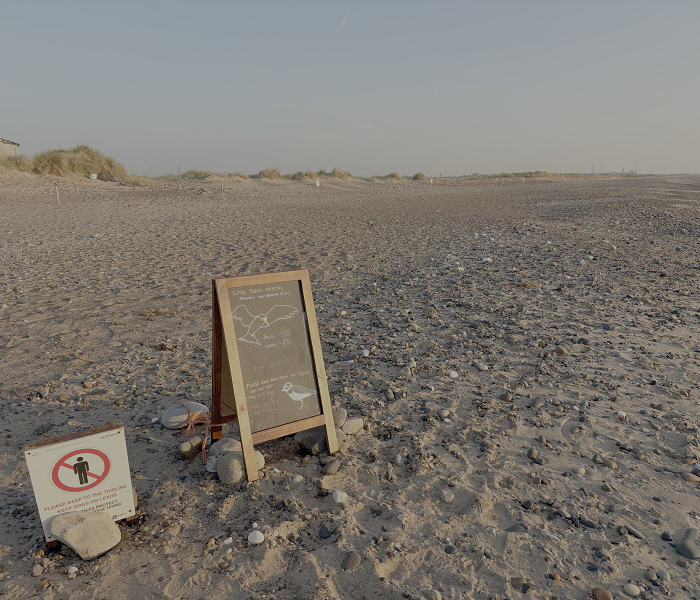
The 2026 Little Tern breeding season reached another exciting milestone this week, with fledgling numbers increasing rapidly as the colony's first young birds took to the wing. After the first fledglings were recorded last week, numbers rose steadily to 29 fledged juveniles resting along the shoreline by 16 July, marking the beginning of the next stage in the breeding season.
Breeding activity remains exceptionally strong, with 93 Little Tern nests now confirmed to have hatched, while many more chicks continue to develop within the colony. As more nests have hatched, the number of incubating adults has naturally declined, but adult counts have still remained impressive, reaching over 200 birds during the week.
Twenty-four-hour wardening has continued throughout the breeding season, supported by residential and local volunteers. Despite regular fox activity around the site, the colony itself has remained well protected thanks to the continued vigilance of the wardening team, with predators successfully deterred from entering the fenced nesting area.
Colour-ring monitoring continues to reveal the remarkable journeys undertaken by Little Terns. This week a bird carrying the green ring YB5, originally ringed in the Netherlands in 2019, was recorded at Beacon Lagoons for the first time. Another newly identified bird, Yellow TPA, was ringed at Gronant in North Wales and was recorded in The Gambia during the previous winter, highlighting the extraordinary migrations these small seabirds undertake each year.
Elsewhere on the reserve, Ringed Plovers continue to enjoy an excellent breeding season, with the final two nests hatching during the week and several more young birds now close to fledging. Avocets also welcomed further broods of chicks, although two nests outside the protected colony were unfortunately lost to fox predation. Oystercatchers successfully hatched their final active nest, bringing another welcome addition to the colony's breeding success.
Disturbance remained very low throughout the week. A drone operated by licensed surveyors briefly flew over the colony, causing some temporary disturbance, but there were no incidents involving recreational visitors.
With more fledglings appearing almost daily and many chicks still growing within the colony, the 2026 season continues to exceed expectations. The coming weeks promise to be particularly rewarding as increasing numbers of young Little Terns prepare to make their first flights before embarking on one of nature's most remarkable migrations to Africa.

Another major milestone has been reached at Beacon Lagoons, with 100 Little Tern nests now confirmed to have successfully hatched during the 2026 breeding season. As the final nests hatch, the colony is now transitioning from the breeding phase to one dominated by fledglings, with increasing numbers of young birds gathering along the shoreline ahead of their remarkable migration to Africa later this summer.
Adult numbers have naturally begun to decline as the breeding season draws towards its conclusion, while fledgling numbers have continued to rise, reaching a peak of 81 young birds during the week. Around 67 chicks also remain within the colony, meaning the site is still full of activity as the final broods continue to develop.
A third colony walkover was carried out on 22 July, confirming that just a handful of nests remained, with only one or two still thought to be active. During the visit, 18 Little Tern chicks were ringed, including seven large enough to receive individually identifiable yellow colour rings. These rings will provide valuable information about the movements, survival and future breeding success of birds from the Beacon Lagoons colony for years to come.
Colour-ring monitoring also continues to reveal fascinating connections with other breeding colonies. Two Little Terns carrying blue rings, originally marked at Crimson Sands in 2014 and 2016, were recorded at Beacon Lagoons for the first time, bringing the total number of colour-ringed birds identified this season to 38.
Elsewhere around the reserve, Ringed Plovers appear to have successfully completed their breeding season, with no active nests remaining and at least nine young birds already fledged. Avocets welcomed another brood as the final known nest began hatching during the week, while Oystercatchers continue to raise their remaining chicks.
Twenty-four-hour wardening has continued throughout the season, supported by residential and local volunteers. Foxes remain a regular presence around the colony at night, although no predation has been recorded during this update period thanks to the continued vigilance of the wardening team. A Peregrine was observed successfully taking a Little Tern fledgling from the shoreline, providing a reminder that natural predation forms part of the coastal ecosystem once young birds begin to disperse.
With 100 nests now successfully hatched and fledgling numbers increasing every day, the 2026 season has already become one of the most successful on record for Yorkshire's only breeding colony of Little Terns. As the last chicks prepare to leave the colony, attention will soon turn to the long journey ahead as these remarkable seabirds begin their migration south for the winter.

The 2026 breeding season at Beacon Lagoons has reached another significant milestone, with the final Little Tern nest hatching during the week. This brings the season's total to 102 successfully hatched nests, capping what has already become a record-breaking year for Yorkshire's only breeding colony of Little Terns.
The colony has now entered its final phase, with fledglings increasingly replacing chicks within the nesting area. By the end of the week, 121 fledged young had been recorded around the colony, while just 28 chicks remained. Adult numbers also increased once again, with evening roosts of up to 350 Little Terns as birds from other colonies gathered at Beacon Lagoons before beginning their southward migration.
Colour-ring monitoring has continued to reveal the importance of the colony within the wider Little Tern population. Several new birds from Seaton Carew were recorded during the week, bringing the total number of colour-ringed Little Terns identified this season to 45. Encouragingly, six of the seven chicks fitted with individually identifiable yellow colour rings during the recent colony walkover have already been re-sighted, demonstrating how quickly young birds begin moving around the site after fledging.
Elsewhere around the reserve, Ringed Plovers have continued to perform exceptionally well, with 21 young birds now confirmed to have fledged. The final Avocet nest also hatched successfully, bringing the total number of hatched Avocet nests to 15, while Oystercatchers continue to raise their remaining chicks.
Twenty-four-hour wardening has remained in place throughout the week, supported by residential and local volunteers. Foxes continued to patrol the area nightly, alongside sightings of a badger and a stoat or weasel, but the vigilance of the wardening team ensured there were no successful fox predation events within the colony. A Short-eared Owl became a regular evening visitor and was observed taking a large Little Tern chick, providing another reminder that natural predation forms part of the coastal ecosystem once young birds begin dispersing around the site.
Visitor disturbance remained very low despite increasing numbers of birdwatchers and photographers visiting the area, including during the excitement surrounding a Buff-breasted Sandpiper nearby. Wardens continued to engage positively with visitors, helping to ensure the colony remained undisturbed during these crucial final weeks of the breeding season.
With the final nests now hatched and increasing numbers of young birds taking to the wing each day, the 2026 season has firmly established itself as one of the most successful in the history of the Beacon Lagoons Little Tern Project. The record number of breeding pairs, successful hatching of 102 nests and exceptional fledging success are a testament to years of habitat management, predator protection and the dedication of the wardens, volunteers and partner organisations who work together to safeguard Yorkshire's only breeding colony of Little Terns.
The Little Tern breeding season at Beacon Lagoons has entered its next stage, with increasing numbers of young birds taking to the wing and beginning to disperse. Fledgling counts reached a season high of 152 on both 3 and 4 August, while 18 chicks remain within the colony and are still to fledge.
Some of the fledglings gathering at Beacon Lagoons may have arrived from other colonies, making it difficult to determine an exact total produced at the site. Nevertheless, the numbers provide an encouraging picture following a record breeding season which saw a minimum of 116 pairs attempt to breed and 102 nests successfully hatch.
Adult numbers have begun to decrease, with between 87 and 150 birds recorded during the week as some earlier breeders and passage birds move on. However, good numbers continue to gather to roost during the evenings. The youngest remaining chick, if it continues to develop successfully, is expected to fledge around 19 August, meaning there is still an important period of protection ahead.
Twenty-four-hour wardening therefore remains in place, with wardens supported by residential and local volunteers. Encouragingly, there were no observed predation incidents during the week. Foxes continued to visit the area at night, although activity appeared to have reduced compared with earlier in the season, while Badgers and a variety of potential avian predators were also recorded around the site.
Colour-ring observations continue to demonstrate the connections between Beacon Lagoons and Little Tern colonies elsewhere in the UK. The number of individually colour-ringed adults recorded this season has now reached 50, including further birds associated with Seaton Carew and Yellow BAL, originally ringed at Blakeney Point in Norfolk and also recorded at Beacon Lagoons last year. Six of the seven chicks fitted with colour rings during the most recent colony walkover have also been seen again, with U63, U64 and U65 among those successfully identified.
Elsewhere, 21 Ringed Plover young are known to have fledged so far, with another eight large chicks approaching fledging. Avocets also continue to progress, with the three largest young at the southern end of the site likely to have fledged and further chicks developing around North Pool and the shoreline. Oystercatchers have had a more difficult season, with the largest remaining chick unfortunately lost during the week, although two younger chicks continue to develop.
There was once again no significant recreational disturbance during the update period.
With young Little Terns now increasingly taking to the wing and beginning to disperse, the focus of the project is shifting towards helping the remaining chicks reach fledging successfully. Twenty-four-hour protection will continue as the last youngsters develop, bringing what has already been a record-breaking breeding season closer to its final stages.
The Little Tern season at Beacon Lagoons is moving into its final stages, with most of the remaining chicks now fledged and increasing numbers of birds beginning to disperse away from the colony.
The 18 chicks remaining at the time of our previous update have gradually taken to the wing, with just three or four unfledged chicks remaining by 13 August. One of these was only discovered on 7 August when it was around three days old. It is now developing well and, if all goes to plan, should fledge around 23 August.
The discovery means that 24-hour wardening will continue, with our wardens supported by residential and local volunteers to ensure the remaining youngsters receive protection through this final critical stage.
The character of the colony is now changing noticeably. During the daytime there may be only a handful of Little Terns present, as adults and fledged young begin to move away. Some of the juveniles produced at Beacon Lagoons have already been seen elsewhere on the Spurn peninsula. In contrast, large numbers can still gather during the evening, with up to 350 Little Terns recorded roosting along the shore of the ponds.
Colour ringing continues to provide valuable information about the birds using the site. No new colour-ringed adults were recorded during the week, but encouragingly all seven chicks fitted with colour rings during the most recent colony walkover have now been confirmed as fledged.
It has also been a successful season for Ringed Plovers at Beacon Lagoons. The final remaining chicks have now fledged, taking the season's total to more than 30 young successfully fledged. Three Avocet chicks at the southern end of the site have also fledged, while another five young remain around North Pool.
Unfortunately, the final two Oystercatcher chicks died during the week from unknown causes, bringing a difficult breeding season for this species at the site to a close.
Predator activity has reduced as the season has progressed. Foxes remain regular visitors at night but have been reported less frequently, and there were no recorded predation incidents during the week. There was also no significant recreational disturbance.
With most of this year's young Little Terns now on the wing, the colony is becoming quieter by the day. However, the breeding season is not quite over. The wardening team will remain in place around the clock while the last few chicks continue to develop, hopefully bringing a record-breaking season at Beacon Lagoons to a successful conclusion.